
Home Herbal Remedies Home Remedies Classic Formulas Natural Therapies New Supplements How to / DIY
Natural Remedies Center
   Search:
 
   Search by Keyword
  - Skin Care
  - Hair Care
  - Weight Loss
  - Sex Drive


  - Cold
  - Cough
  - Acne
  - Toothache
  - Headache
  - Eye Care
  - Menstruation
  - High Blood Pressure
  - Asthma
  - Diabetes
  - Sleep
  - Constipation
  - Anxiety
  - Depression
  - Arthritis
  - Eczema
  - Cancer

  - Heart Disease
  - Liver Disease
  - Lung Disease
  - Stomach Disease
  - Intestinal Disease
  - Kidney Disease
  - Bladder Disease

  - Spring Remedies
  - Summer Remedies
  - Autumn Remedies
  - Winter Remedies

  - Remedies for Women
  - Remedies for Men
  - Remedies for Children
  - Remedies for Seniors

  - Ayurvedic Medicine
  - Chinese Medicine
  - Arabic Remedies
  - American Remedies
  - European Remedies
  - African Remedies
  - Tibetan Medicine
  - Mongolian Medicine
  - Japanese Remedies

Common Herbs
  - Almond
  - Aloe Vera
  - Astragalus
  - Chamomile
  - Dandelion
  - Angelica
  - Frankincense
  - Ginseng
  - Horny Goat Weed
  - Licorice
  - Myrrh
  - Plantain

Kitchen Remedies
  - Basil
  - Bitter Melon
  - Cinnamon
  - Turmeric
  - Garlic
  - Ginger
  - Lemon
  - Mustard
  - Onion
  - Watermelon
 

Herbal Remedies: Costmary for Indigestion, Dysentery, Skin Ulcers, Gout, Sciatica and Joint Pain


  Share it on Facebook Share it on Twitter Share it on Google+ Share this post on Linkedin Natural Remedies RSS Feed Print it

by
Herbal Remedies, Joint Remedies, Skin Remedies

Costmary is said to help treat indigestion, dysentery, skin ulcers, gout, sciatica and joint pain.


Costmary (Tanacetum balsamita, Chrysanthemum balsamita, Bible leaf) is a hardy perennial herb.

With the mint-like flavor, costmary is used in cooking. The fresh, young leaves can be added to tea, salads, soups, dishes and cream sauces.
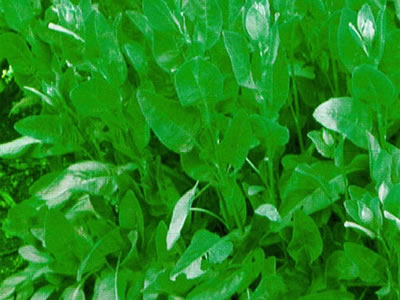
Costmary has been known for centuries and was widely used in medieval times. Costmary is bitter, aromatic, astringent, laxative, diaphoretic, and carminative. It is said to affect stomach and liver. Costmary has been used internally in the treatment of indigestion, dysentery and liver disorders. Externally, costmary has been used for treating skin ulcers, dry and itchy skin, and joint pain

How to use costmary

1. Costmary tea:

- 1 teaspoon of dried leaves
- 1 cup of boiling water
- Steep for 2 minute
- This tea is said to help indigestion, dysentery and liver disorders

2. Spice:

- Add it to beverages, soups, salads, meat and vegetable dishes

3. Costmary oil:

- A handful of fresh costmary leaves (or 2 table spoons of dried leaves)
- Olive oil 500ml
- Put the leaves in a jar, cover with olive oil
- Leave it for a week
- Another method to make the herbal oil is to boil the leaves in olive oil
- Strain
- Store it in a bottle
- Apply a few drops of the oil to the affected area
- This oil is said to treat skin old ulcers, insect bites, gout, sciatica, and joint pain

Researchers have found that leaves of costmary contain a range of essential oils. According to a Spanish study, costmary oil includes carvone as the main component (about 50%), together with minor amounts of beta-thujone, t-dihydrocarvone, c-dihydrocarvone, dihydrocarveol isomer c-carveol and t-carveol. It contains about 10% beta-thujone, a toxic ketone.

Please note, before using costmary for treatment, you should consult a doctor, especially when using it internally.

For more information about natural remedies for skin ulcers, go to Natural Remedies Center: http://www.naturalremediescenter.com/treat/skin-ulcers/

Read Related Articles

More Articles About:Indigestion   Dysentery   Skin   Ulcers   Gout   Sciatica   Joint   Pain   Costmary  
   I like this post    Follow me on Twitter
Please note: Any articles on this website are only for informational and research purposes. You should first consult your physician before taking any natural remedies, health supplements, herbal medicines, food therapies or alternative cures discussed here for your health treatment. [More about Terms of Use ...]